
Jen Bruno Smith gave away one boudoir session in August 2019. It cost her about $500 in retouching and an album. By the time we sat down to talk that fall, the giveaway had booked 90 sessions, added about 3,000 women to her VIP Facebook group and grown her email list by roughly 4,500. Her average sale, she told us, was about $4,000.
The giveaway got the attention. The group is why the attention kept booking. Every class she taught, every testimonial she posted and every offer she launched landed in a room full of women who had already raised their hand.
I'm Humberto Garcia, founder of Photography to Profits. Here's my stand: a client community isn't an audience to grow. It's a second email list. Build it where your clients already scroll, give it one job, launch your offers there first, and judge it by what it books.
Key Takeaways
- For most portrait studios, a private Facebook group is still the right home: 77% of US women use Facebook, and 78% of adults 30 to 49 (Pew Research Center, 2026).
- Give the group one job: first dibs on minis and openings, a private room where clients show off, or a paid program. The job picks the platform.
- Boudoir needs a hidden group, nickname posting and permission for every image. An Instagram channel is the wrong room: anyone can find it.
- Skool is for programs people pay for, not for clients who want first dibs on minis.
- Count sessions booked by members each month, not members. This week, invite your last 20 clients personally.
Is a Facebook group still worth it for photographers?
Yes, when it has a job and you count what it books. A VIP group gives past and future clients a reason to hear from you between sessions, a place to see other women's results, and first access to your offers. Without a job, it's another feed to keep alive.
The audience is still there. In Pew Research Center's 2026 survey of 5,511 US adults:
| Platform | US women | Adults 18–29 | Adults 30–49 | Adults 50–64 |
|---|---|---|---|---|
| 77% | 69% | 78% | 71% | |
| 56% | 79% | 64% | 41% | |
| TikTok | 43% | 65% | 45% | 31% |
If you photograph women in their thirties and forties, most of them are on Facebook already. Your group doesn't ask her to download anything.
Facebook group, Skool, Instagram or TikTok: which one?
Pick the job first. The platform follows from it.
First dibs on minis and openings: a private Facebook group, hidden if you shoot boudoir. A room where clients show off: a private Facebook group, with nickname posting on for boudoir. A paid program you teach: Skool. Reaching people who don't know you yet: content and ads, then invite them into the group.
| Platform | Who can start one | Cost | New account for her? | Privacy | Best job |
|---|---|---|---|---|---|
| Facebook group | Any person or Page | Free | No, if she's on Facebook | Private: only members see posts and who's in it. Hidden: only members can find it. | First dibs, show-off room |
| Skool | Anyone | $9/mo + 10% + 30¢ per sale, or $99/mo + 2.9% + 30¢ | Yes | Built for paid courses and memberships | A paid program |
| Instagram channel | Public account with 1,000+ followers | Free | No | Anyone can find it, and members' replies are visible to anyone | One-way announcements |
| Instagram Close Friends | Any account | Free | No | Only people on your list see those stories | A quiet early-access lane |
| TikTok | LIVE at 1,000 followers; one-to-many bulletin board at 50,000 | Free | Often | Group chats of up to 32 mutual followers | Reach, not community |
Facebook group: the default for client communities
It's free, she already has the app, and a private group means only members see the posts and who the other members are. You can ask up to three membership questions as people join. Make one of them her email address: that's the part of the group you own if Facebook ever changes the rules.
Skool: only when people pay you
Skool is built for courses, live calls and paid memberships. Hobby costs $9 a month and keeps 10% + 30¢ of every sale; Pro costs $99 a month at 2.9% + 30¢. That's a good deal if you teach photographers or sell a paid client program. It's the wrong home for a newborn mom who just wants first dibs on fall minis, because every member has to create a Skool account first.
Instagram: Close Friends, not a channel, for anything private
An Instagram broadcast channel needs a public account with more than 1,000 followers. It's one-way: members can react, reply and vote, but can't post. And it's public by design: anyone on Instagram can discover it, and members' replies are visible to anyone. Fine for announcing a mini-session date. Wrong for anything a boudoir client would rather keep private.
A Close Friends list is quieter: only the people you add see those stories, and nobody is notified when they're added. If most of your clients are under 30, where Instagram use is highest, it makes a good second lane for early access.
TikTok: reach, then invite
TikTok finds people who've never heard of you. It isn't built to keep them: its one-to-many bulletin board needs 50,000 followers, and group chats are capped at 32 people who follow each other. Use it the way you'd use a Reel: as the front door. Then invite the women who respond into your group or onto your list.
Underneath all of it: your list
Platforms change their features. Facebook switched off community chats in groups in October 2025. Groups get suspended. Jen's rule was to reach people "in as many ways as possible": her email automation, text messages, the VIP group and Instagram. The group is a lane to your clients. Your email and text list is the road underneath it.
What Jen's VIP group actually did
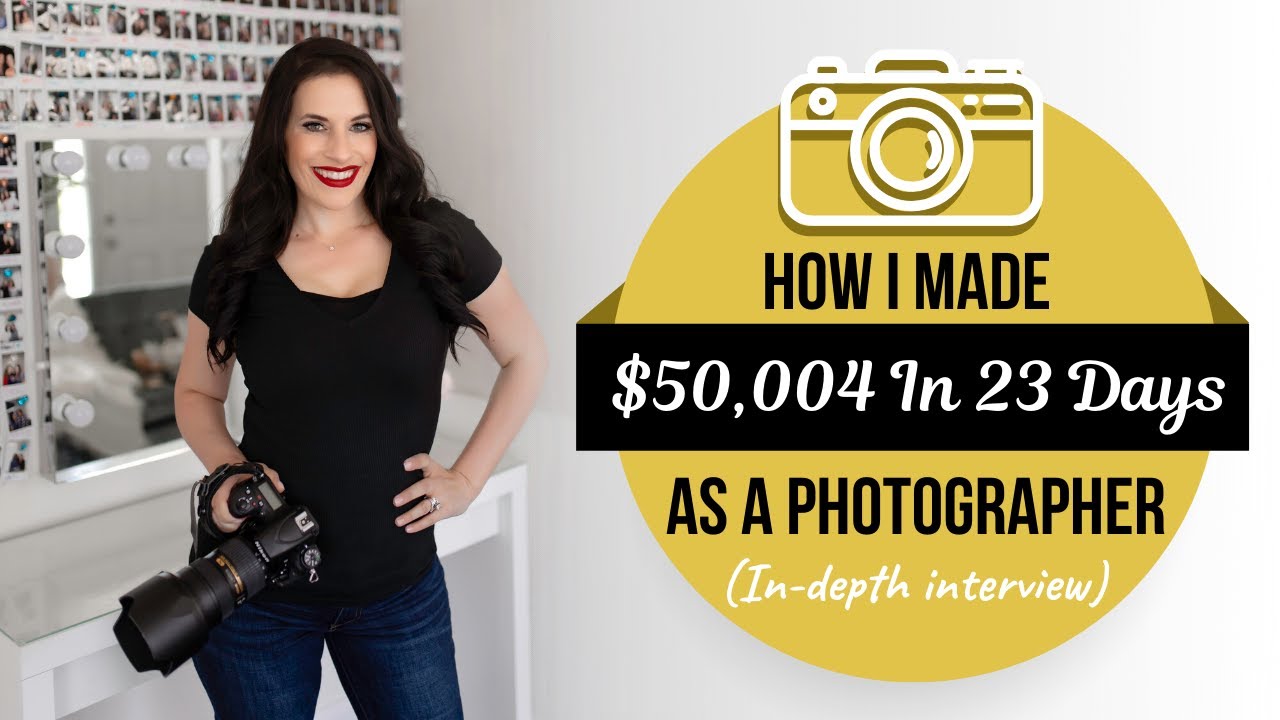
Our interview with Jen Bruno Smith, a boudoir photographer in Middletown, Delaware, is the most practical group playbook we've recorded. What she did, in her words and ours:
- She treated the group as a second email list. Leads from her email automation were invited into the group, and members were invited onto her list.
- She asked members what they wanted to learn. Then she picked one or two questions and taught them live. One night she held up about 20 pieces of lingerie, one at a time, and explained which ones photograph well and which to leave at home. The 45-minute class became one of her most popular lives.
- She filed everything where a new member could find it. Every class sits under its own topic, and so do her testimonials, more than a hundred of them.
- She grew it with requests, not adds. Facebook doesn't like contests that reward people for adding friends. Her giveaway ads asked women to request to join instead.
- She started where her clients already were. Before any ads, her studio posted about the group every Small Business Saturday in a local moms' group.
Size isn't the point. One of our mastermind members, Kim, had 385 members in her first week and already had consults coming from it. A group of 400 women who book beats 10,000 who scroll.
Launch your offers in the group first
When a studio comes to work with us and already has a group, we don't start with the website. We launch an offer to the group: a Body Love Project, a 40 Over 40 model call, a holiday mini-session event. Something with a name, a deadline and real value, posted where people already know and trust the studio.
Give members first dibs, not a discount. Early access rewards joining. A members-only price cut says your full price was negotiable and teaches everyone to wait for the next sale. Groups built on freebies attract people who only want the freebie: one photographer on Reddit wrote that "17 girls in my facebook group and not one would take the sale price."
Photographers who run their groups well use them as the first lane, not the bargain bin:
- Nicki Kristof, a South Florida newborn photographer, releases mini sessions in her VIP group before the public sees them.
- Misty Boles in Montana gives members "exclusive access to last-minute session openings and sales", which fills cancellations fast.
- Kate Styles in Virginia gave a few past clients a weekly post as ambassadors, so the group never depended on her alone.
Boudoir: build the private room right
Most boudoir clients never post their images publicly. A private group can be the one place they feel comfortable sharing. As boudoir photographer Tanya Smith told Rangefinder, "clients will feel more comfortable posting their images in there."
- Make the group hidden, not just private, so only members can find it.
- Turn on nickname posting. Since late 2025, Facebook lets group admins allow nicknames. You still see who she is; the group doesn't.
- Ask before any image goes up, every time, even if she signed a model release.
- Keep it women-only and 18+ if that's who you photograph, and say so in the group rules.
Your first 30 days
Tick each step off as you go. Your progress stays on this device.
- Set it up: private (hidden for boudoir), named for what she gets, three membership questions with one for her email, and guides for classes and testimonials.
- First 50 members: invite your last 20 clients personally, send the invite to your list, post it from your personal profile, and show up in local groups where she already is.
- First live: ask what members want to learn, teach one thing for 30 to 45 minutes, and file the replay.
- First offer: launch one named offer to the group first, give members first dibs instead of a discount, and track which bookings came from the group.
- Keep it booking: invite every client after her session, give a few past clients a weekly post, and count bookings each month.
Count bookings, not members
A group is a channel, so judge it like one. Add "Where did you hear about us?" to every inquiry form with "VIP group" as an option, and count the sessions members book each month. Members, likes and comments tell you the group is alive. Bookings tell you it's working. It's the same scoreboard we use for paid campaigns: cost per booked session, not cost per lead.
If the group goes three months without booking anyone, don't post harder. Change its job. Usually it's missing an offer, or it was built for an audience that doesn't hire you.
To grow it faster, do what Jen did: put a little ad money behind one strong offer and ask women to request to join.
Want the ads that fill the group and the follow-up that books it, built and run for you? That's what we do for portrait studios.
See Facebook ads for photographers →Check your understanding
Four questions. Each one tells you right away whether you got it. Your answers stay on this page.
Four questions on where a boudoir client should share, what to offer group members, when Skool makes sense and which number to watch. The quiz needs JavaScript.
Frequently Asked Questions
Is a Facebook group worth it for a photography business?
Yes, if it has a job and you count what it books. A private VIP group gives past and future clients first access to your offers and a place to see other women's results. 77% of US women use Facebook, so most of your clients won't need a new app to join.
How do I promote my photography Facebook group?
Start with people who already know you: invite your last 20 clients personally, send the invite to your email and text list, and post it from your personal profile. Then put a small ad budget behind one strong offer and ask women to request to join, rather than running a contest for adding friends.
Should photographers use Skool for their clients?
Usually not. Skool is built for paid programs: courses, live calls and memberships, from $9 a month plus fees on each sale. Every member needs a new Skool account, which is a lot to ask of a client who only wants first dibs on minis. Use it if you teach other photographers or sell a paid program.
Can I use an Instagram broadcast channel for my photography clients?
For announcements, yes; for anything private, no. A channel needs a public account with more than 1,000 followers, anyone on Instagram can discover it, and members' replies are visible to anyone. Use it to announce mini-session dates, and keep boudoir clients in a hidden Facebook group.
How many members does a VIP group need to book sessions?
Fewer than you'd think. What matters is that members are real past or future clients and that the group gets offers worth acting on. One of our mastermind members already had consults coming from a group of 385 in her first week.
What should I post in a photography VIP group?
Ask members what they want to learn and teach it live, share client stories and before-and-afters with permission, and launch your offers there first. Jen Bruno Smith's 45-minute lingerie class, built from a member question, became one of her most popular lives.
Should a boudoir photographer's VIP group be private or hidden?
Hidden. In a private group only members see the posts and the member list; a hidden group also can't be found by anyone who isn't a member. Turn on nickname posting, keep it 18+, and ask before any client's image goes up.
Facebook group or Facebook page: which is better for photographers?
You need both, for different jobs. The page is your public storefront, where reviews, ads and strangers find you. The group is the private room for people who already raised their hand: past clients, booked clients and warm leads.