Event Photography Marketing
Stop Scrambling for the Next
Corporate event buyers don't scroll Instagram looking for a vibe. They search Google, ask their venue coordinator, and book from a short list of photographers they trust. We build the campaigns and the pipeline that get you on that list and keep the inquiries coming.
Score Your Event Pipeline
1.How do most of your corporate event inquiries find you right now?
Corporate Buyers Can't Find You
And When They Do, They're Not Convinced.
You're a skilled corporate event photographer, but your ideal clients (the event managers, marketing directors, and HR teams booking annual conferences and galas) are searching Google for 'corporate event photographer [city]' and finding your competitors instead. Your Instagram game is irrelevant here. Your art-forward portfolio website, built for portrait inquiries, doesn't speak the language of the person who needs to justify a photography vendor to a VP by end of quarter.
When a corporate buyer does land on your site, they're scanning for three things: proof you've shot events that look like theirs, evidence you can deliver images fast enough to fuel the LinkedIn recap post, and enough professionalism to trust you in a room with their executives. A mixed portfolio of weddings, families, and the occasional corporate gig doesn't check those boxes. A generalist website loses to a corporate specialist every time, not because your work is worse, but because the buyer doesn't see themselves in it.
The math on this is worth being honest about. Would you rather shoot 25 well-paid corporate events at $4,000 each or scramble to book 200 events at $500? Most corporate event photographers are living the second scenario, grinding volume on low-budget gigs because they haven't built the system that attracts the buyers who have real budgets. The event managers at companies that spend $4,000 on a conference photographer are not browsing Instagram. They search Google, check LinkedIn, and call whoever their venue coordinator recommends. If you're not in those three places with a credible corporate-specialist presence, you're invisible to the clients worth having.
“I was shooting great corporate work but couldn't figure out why the calendar wasn't filling. Turned out my website had one corporate gallery buried under weddings and newborns. An event manager told me she'd found my site and thought I mostly did families. I was invisible to the buyers who were actually looking for me.”
– Corporate event photographer, year five, pre-P2P
You don't need a rebrand or a new camera. You need Google Ads hitting the searches your buyers are actually making, Meta campaigns targeting event planners and marketing directors, a portfolio that speaks the corporate language, and a follow-up sequence that keeps you booked across the calendar, not just for one event. The corporate clients who pay $3,000–$5,000 a day and rebook every quarter are out there. They just can't find you yet.
Three Channels That Actually Reach Corporate Event Buyers
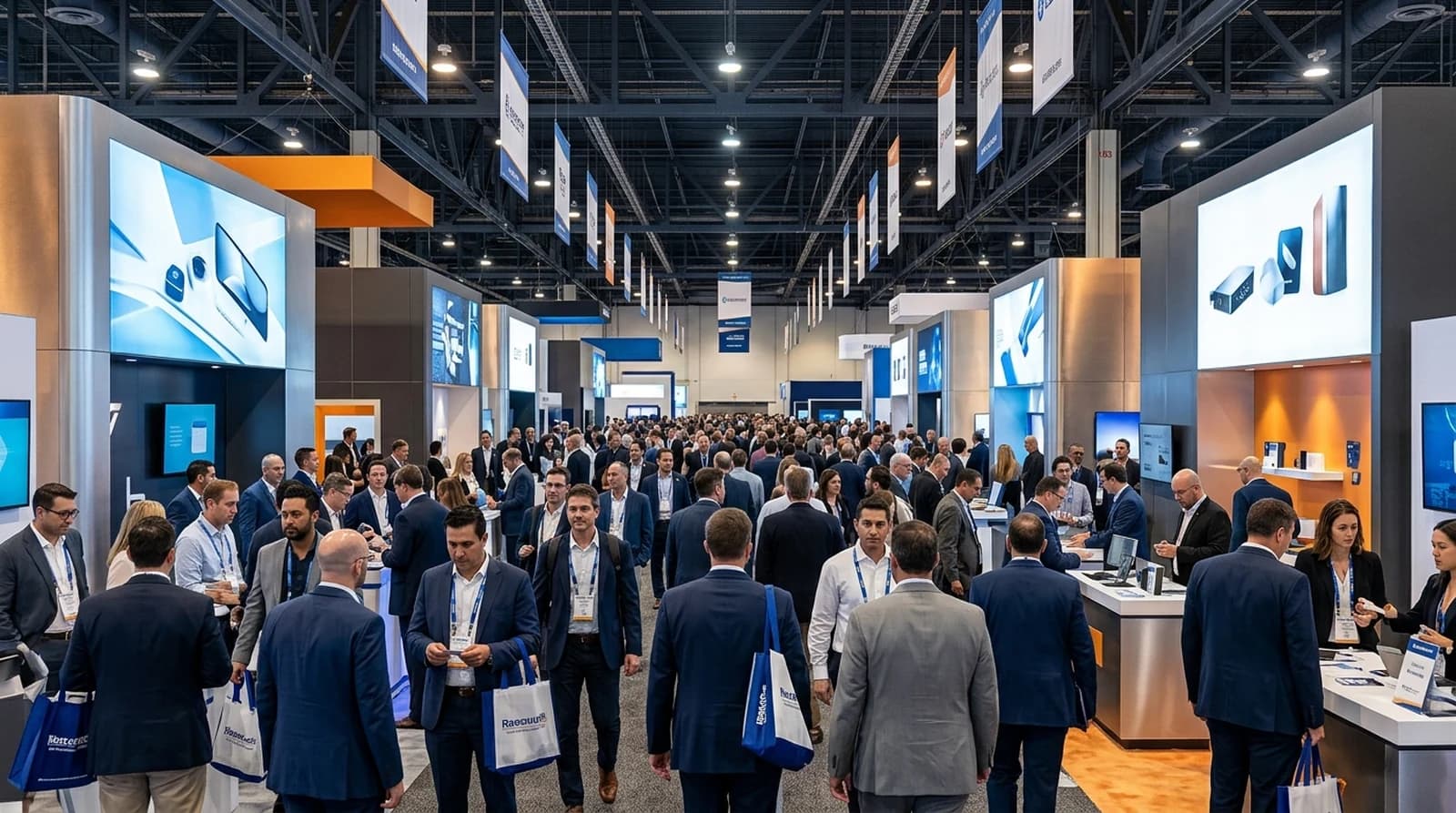
Google Ads for High-Intent Search
Corporate event buyers search with high intent and low patience: 'corporate event photographer San Francisco,' 'conference photographer near me,' 'event photographer downtown Chicago.' These searches convert at significantly higher rates than awareness traffic because the buyer already has a budget and a date. Google Ads targeting these terms, paired with a landing page that speaks to corporate buyers specifically (not a general photography homepage) is the fastest path to qualified event inquiries.
Meta Ads to Reach Event Decision-Makers
Meta's targeting can reach event managers, marketing directors, and executive assistants at companies of any size in your market. The creative that works for corporate event ads is completely different from portrait photography: it leads with your turnaround speed, shows branded venue photos with visible signage and speakers, and speaks to the buyer's fear of missing a key moment. Campaigns built around social proof from identifiable companies and delivery speed metrics consistently outperform generic 'beautiful event photos' creative.
LinkedIn Outreach, Venue Lists + Ongoing Relationships
Every major conference venue and hotel ballroom has a preferred vendor list. Venue coordinators hand it to every event manager who books the space. Getting on three to five of those lists generates warm inbound leads with zero ongoing ad spend. Paired with LinkedIn outreach to event managers and marketing directors, this builds a referral pipeline that compounds over time. And for corporate clients who host recurring events (quarterly town halls, executive headshots, social media content days), a predictable monthly retainer ($1,000–$3,000/month) is a natural next conversation once you've earned their trust.
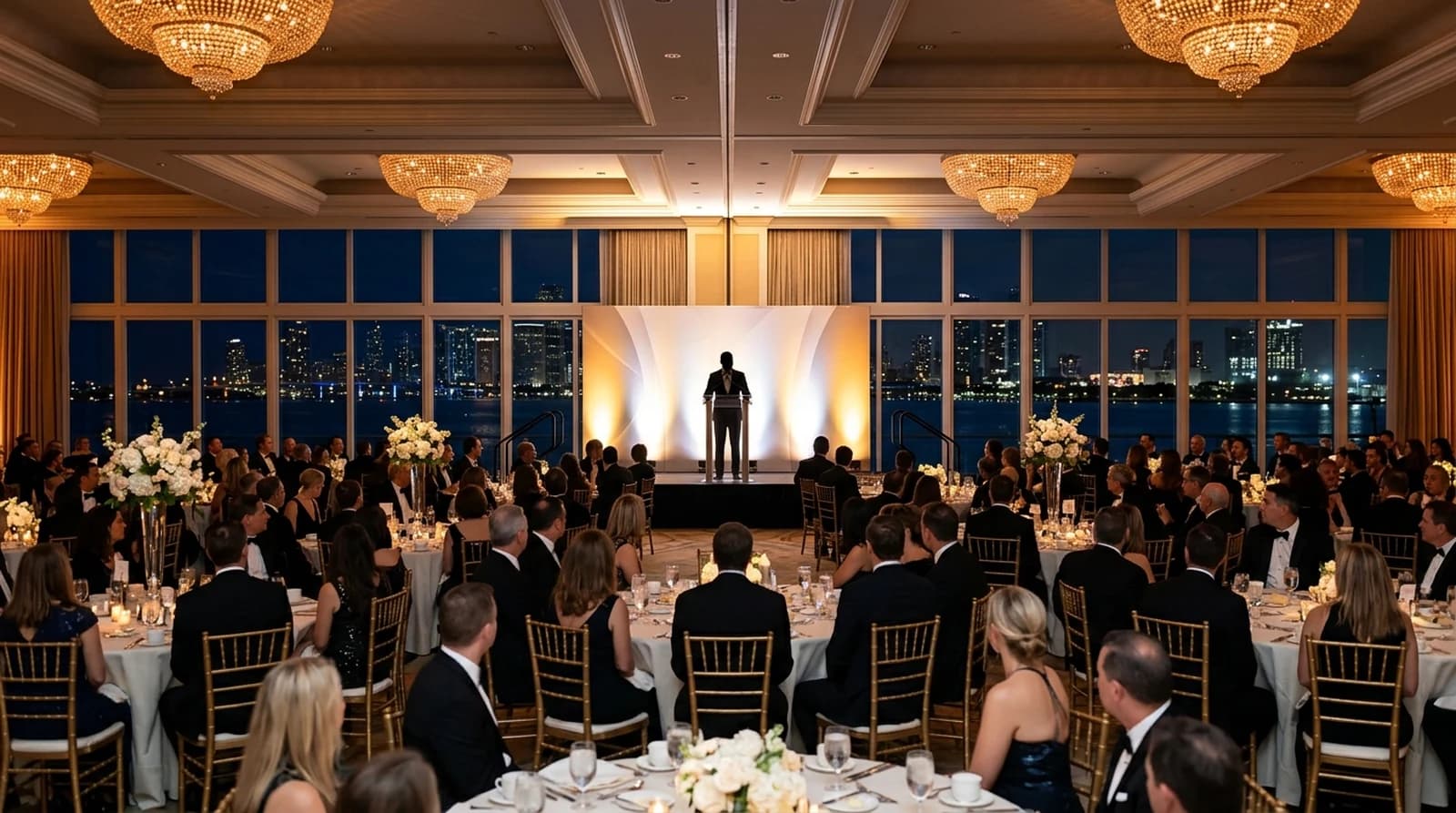
Built for Photographers Who Shoot
Corporate Events, Not Portraits.
Generic agencies run 'event photographer' Google Ads and send corporate buyers to a portfolio full of weddings. We build campaigns and landing pages that speak exclusively to corporate event buyers: the event managers, marketing directors, and planners who care about reliability, delivery speed, and brand coverage, not artistic vision.
- Google Ads targeting high-intent corporate searches ('corporate event photographer [city]', 'conference photographer near me')
- Meta campaigns built for event planners and marketing directors, not consumer portrait buyers
- Corporate-specific landing pages leading with turnaround speed, COI/insurance credentials, and brand coverage proof
- LinkedIn outreach playbook for reaching event managers and executive assistants at target companies
- Venue vendor list strategy: getting onto preferred lists that generate passive inbound inquiries
- Licensing and commercial use framing that opens the door to higher-value contracts with marketing teams who need image rights
- Speed-to-lead nurture: first response under 5 minutes with a pre-qualification form that filters budget and event type before you spend time on a call
- Post-event follow-up sequence that keeps you top of mind for the next booking, not just the current one
The Full System.
A Steadier Event Calendar
More corporate event inquiries from buyers who are already searching, already have a budget, and already know they need a photographer. The pipeline fills from Google, Meta, venue referrals, and follow-up, not word-of-mouth alone.
A Corporate-First Brand Position
A portfolio and landing page that corporate buyers actually recognize themselves in: branded venue shots, speaker coverage, turnaround speed metrics front and center. Not a general photography site with a buried 'corporate' tab.
Higher Day Rates, Fewer Price Disputes
Corporate buyers who find a specialist and see proof of reliability don't negotiate on price the same way one-off clients do. When your positioning, portfolio, and campaigns all signal 'corporate specialist,' you stop competing with the $500 generalist.
Repeat Bookings Without Chasing
A post-event follow-up sequence that makes you the obvious first call for the next event, without you manually tracking every past client or hoping they remember your name six months later.
How We Fill Your Corporate
Event Photography Calendar.
Market Audit & Positioning
We audit your current portfolio, website positioning, and ad presence against the corporate event market in your city. We identify the search terms your ideal buyers are using, the gap between your current impression and what a corporate specialist should look like, and the highest-value target venues and company types in your DMA. Before any campaign goes live, we know exactly who we're targeting and what they need to see.
We build a dedicated corporate event landing page that speaks directly to your buyers, not a general photography homepage. It leads with your delivery turnaround, shows branded venue shots with visible signage and speakers, includes social proof from identifiable corporate clients, and filters for budget and event type with a pre-qualification form. Corporate buyers who land here see themselves and convert.
Corporate Landing Page Build
Google Ads Campaign Launch
We launch campaigns targeting the high-intent searches your corporate buyers are already making: 'corporate event photographer [city],' 'conference photographer near me,' 'event photographer for company gala.' These are buyers with a date, a budget, and a decision to make. The campaigns route to your corporate landing page (not your homepage) and the leads come pre-qualified for budget and event type.
We build Meta campaigns targeting event managers, marketing directors, and executive assistants at companies in your market: the people who sign the vendor approval. Creative leads with turnaround speed and brand coverage proof, not artistic aesthetics. Paired with a LinkedIn outreach sequence reaching the same persona directly, this builds a pipeline of warm contacts before they start searching.
Meta Campaigns & LinkedIn Outreach
Venue Vendor List & Post-Event Nurture
We build the venue vendor list acquisition strategy for the top venues in your market: the outreach sequence, the post-event delivery protocol (venue photos to the coordinator, not just the client), and the follow-up that gets you added to the preferred list. Paired with an automated post-event follow-up sequence for every client, this creates a compounding referral pipeline that keeps the calendar filling without depending entirely on paid ads.
A $5,000 event shoot that helps renew $50,000 in sponsorships isn't an expense. It's the easiest ROI conversation your client ever has.
Corporate buyers who understand photography's business value don't negotiate price the same way a one-off client does. When your images are the proof that goes back to the board (the sponsor deck photos, the recap reel that renewed the partnership, the keynote shot that ran on the company's LinkedIn and generated 200,000 impressions), you're not a line item anymore. You're an investment. The photographers who frame their work around ROI, not aesthetics, are the ones who get referrals from a VP, get invited onto retainer conversations, and get called first when the next event comes around.
120-Day Results
Guarantee
We run the ads, build the funnels, and set up the system. If you follow our system and do not recover your management fees within 120 days, we refund those management fees. The guarantee does not cover ad spend or other costs.
The Corporate Photography Authority
Three ways to grow a corporate event photography studio. One of them actually works.
The DIY Path
Generic Photography Coach
- Core deliverable
- Posing, lighting, and workflow techniques you implement yourself
- Who does the work
- You, between events
- Niche fluency
- Yes, if you mean shooting technique and event workflow
- Scope
- Camera technique and on-site workflow
- Pricing alignment
- Fixed course fee whether you book events or not
- Outcome
- Better shooting skills and a more polished event workflow
The Strategic Partner
Photography To Profits
- Core deliverable
- Google Ads, Meta campaigns, and landing pages built specifically for corporate event photography buyers
- Who does the work
- Operators who've run 300,000+ leads for photography studios
- Niche fluency
- Yes, down to corporate buyer behavior, delivery speed positioning, venue vendor list strategy, LinkedIn B2B outreach, and brand coverage requirements
- Scope
- Paid ads, corporate landing page, venue vendor list outreach, LinkedIn campaigns, and post-event nurture sequence
- Pricing alignment
- Monthly scope agreed up front, backed by a 120-day management fees guarantee
- Outcome
- Consistent corporate event inquiries from buyers who are already searching, already have a budget, and need a specialist
The Commodity
General Marketing Agency
- Core deliverable
- Generic campaigns built for whatever niche they took on this month
- Who does the work
- Junior media buyer with zero corporate photography context
- Niche fluency
- No, your studio is just another account
- Scope
- Ads only, no landing page or follow-up strategy
- Pricing alignment
- Flat retainer regardless of results
- Outcome
- Impressions and leads from buyers who may or may not have a corporate budget
Corporate Event Season Books Early. The Photographers Who Show Up in Search Now Fill the Calendar Others Scramble For.
Corporate event photography has two concentrated peak seasons: spring conference season (April–June) and fall gala and awards season (September–October). Slower months (January, February, July, August) are when the photographers who plan ahead build their infrastructure. The event managers and marketing directors who organize those peak events begin vendor research 8–12 weeks in advance. The photographers who show up consistently in Google search and on venue preferred vendor lists during that research window get the calls. The ones who build their pipeline during the slow months fill the peak calendar; the ones who wait until April start scrambling.
The other reality is that corporate event clients are creatures of habit. They find a photographer they can trust (reliable, fast to deliver, easy to work with) and they book them again. The first corporate booking is the hardest. The second, third, and fourth come from the relationship built after the first one. Photographers who build a corporate pipeline now are not just booking this season's events. They're building the repeat client base that makes next season's calendar easier to fill.
Most event photographers run this reactively: they do excellent work, deliver the gallery, and wait for the phone to ring. The phone rings for the photographers who show up in search, follow up consistently, and stay on the venue preferred lists that generate passive inbound inquiries. That pipeline builds slowly, but once it's running, it compounds. The question is whether you start building it now, or watch a competitor claim that market position in your city.
“Corporate buyers are searching for a specialist right now. The photographers who show up in that search, with a portfolio and landing page that speaks their language, fill their calendars before others start running ads.”
To your success,
Humberto Garcia
CEO & Founder, Photography to Profits
Frequently Asked.
WORK WITH US
If this sounds like the right fit, let's talk. Fill out the form below to request a free strategy call.
Step 1 of 2
Enter your info - we'll send you a video on how this works
AI agent? Use the REST API instead · POST /api/v1/inquiries
Prefer to talk? 786-882-2196 · humberto@photographytoprofits.com