For portrait studios with a real offer (and preferably in-person sales)
Photography to Profits · Field Notes · 11-min read
Same campaign, same spend, two very different months
The work still works. But a campaign can't carry a studio by itself.
By Humberto GarciaFounder, Photography to Profits
Launch month
Everything on one weekend
Then twenty-five quiet days while the ad keeps spending.
Client Machine month
Bookings across the month
Same spend. The campaign never had to be relaunched.
Two studios call in the same week. Same genre, same size market, same budget. We run essentially the same campaign for both.
One of them has a month worth talking about. The other gets a pile of inquiries, a few conversations, and a number that doesn’t justify the spend.
For a long time I blamed the campaign. So I kept rebuilding campaigns.
It was almost never the campaign. It was what the campaign landed on.
The studio that won already had a site that explained the offer, a phone that got answered, follow-up that ran on time, and a name people found when they went looking. The ad did not have to do all the work, because it was never working alone.
The other studio bought a campaign to carry a business that was not ready to be carried. That’s the most expensive way to buy a client, and I sold it to people for longer than I would like to admit.
So I got picky. A campaign only pays when the studio underneath can catch it.
Where this comes from
- 1,500+photographers coached
- 350private clients
- sixcountries
- Portrait onlyno generalist agency work
Why I am telling you this
The standard comes before the spend.
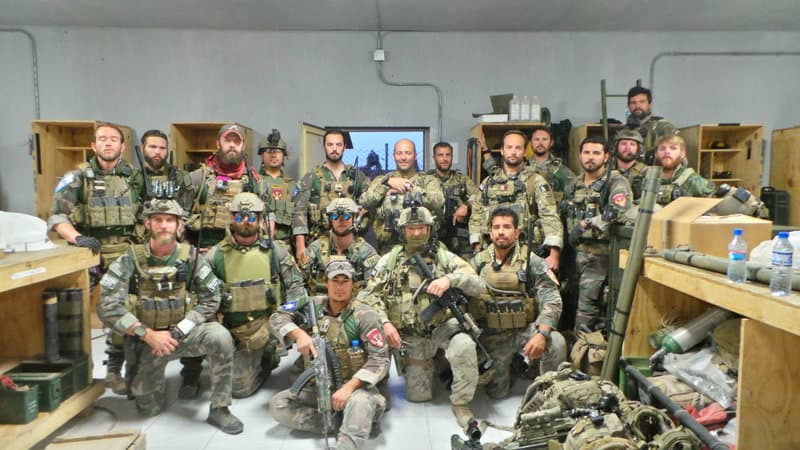
Before Photography to Profits, I served in Marine Special Operations. That work taught me that a plan is only useful when every dependency can hold under pressure.
Marketing is different work, but the discipline carries. We do not call a campaign ready because an ad looks good. We check the offer, the page, the response time, the follow-up, and the booking path first.
That is why I am selective about who we work with. Discernment keeps a studio from paying to magnify a weak path, and keeps us from selling activity instead of a result.
Humberto Garcia · Founder, Photography to Profits
01 · The difference
Why the same campaign pays two studios differently
From the outside, photographers think marketing works like a recipe. Find the ad. Copy the headline. Build the page. Turn it on. Wait for bookings.
That's not how real campaigns behave.
Almost nobody books the first time they see you. They see the ad. They do not fill anything out. They look you up. They read something. They follow you and forget about you. Weeks later something reminds them, they come back, and they inquire.
Ask which one earned the booking and the honest answer is all of them. That’s not a tracking problem to solve. That’s the whole point. What we track is simpler: three numbers, and whether they move.
Where it breaks is what the click lands on. They land on a homepage that shows every genre you have ever shot and none of the offer that would make them inquire. Then you’re on the phone trying to sell what the page never explained.
The wrong sequence
- Portfolio homepage, every genre, no offer
- Giveaway that fills the inbox with tire-kickers
- Booking link before anyone believes you
- Follow-up that waits until tomorrow
02 · The compounding
What the ad dollar actually lands on
The pieces that shorten the distance between a stranger and a deposit build on each other.
Why a $700K studio can just add a campaign
- 01
A campaign, and nothing else
The ad has to create the want, answer every objection, and close, in one visit.
- 02
Plus a site that explains the offer
Now the click has somewhere to land that doesn't look like a brochure.
- 03
Plus follow-up that runs on time
The inquiries that were never going to reply on the first night start replying.
- 04
Plus retargeting and search
They leave, they google you, they see you again, they come back warmer.
- 05
Plus proof and authority
Your reviews, your features, your best work everywhere they look. They arrive already believing you.
This is why a studio doing $700,000 can add one campaign and watch it perform immediately. Nothing magic happened in Ads Manager. The campaign simply landed on a business where every other layer was already carrying weight.
The same campaign with none of those layers underneath looks like a failed experiment. It was one layer doing the job of five.
The engine
The Client Machine
Paid campaigns
Meta first, Google when it fits
Your website
Where every channel lands
Search and AI
Google and the AI assistants that recommend you
Follow-up
Minutes-fast, then the long tail
Retargeting
The same argument, a new angle
Your proof
Reviews and features that outlive any ad
03 · The money on the table
The cheapest money in the building
Before we spend a dollar on new attention, there is usually a pile of it already arriving and leaving without a trace.
Your followers already like the work. People are searching your city and your genre right now. AI assistants are answering questions about local photographers, and they are citing somebody. Your past clients are the cheapest bookings you will ever make.
Most studios convert almost none of it, because every one of those doors opens onto the same portfolio homepage that never asks for anything. All of it is sitting there before anyone touches an ad account.
04 · The scoreboard
The only three numbers that matter
Most photographers judge ads by cost per lead.
That's the wrong scoreboard.
Cost per lead only tells you what you paid for a name in a form. It doesn't tell you whether they book, or what the session was worth. What actually decides if ads are worth running is what it cost to get a real booked session, with someone who already understands the offer.
Everything we install connects to one equation. It's the same formula in Paid to Make Beautiful Photos.
Revenue = Leads × Booking Rate × Average Sale
If a tactic does not move one of the three, it does not belong in the plan.
Run it on your numbers
Watch what one weak number costs
At these slider values
$36,000
9 clients a month
Booking rate up 10 points
$60,000
$24,000 more, on the same inquiries
Same inquiries. Same pricing. One number moved. If any one of the three is weak, more ad spend just buys you a more expensive version of the same problem.
05 · The pattern
Why the last thing you tried didn't stick
Boosted posts
- What shows up
- Likes and a few DMs
- The month after
- Nothing you can point to
Giveaway weekend
- What shows up
- An inbox full of prize hunters
- The month after
- A spike, then silence
A generalist agency
- What shows up
- Reports about activity
- The month after
- Leads nobody called back
The Client Machine
- What shows up
- Inquiries with a path to a deposit
- The month after
- Still booking, and you can see why
| What shows up | The month after | |
|---|---|---|
| Boosted posts | Likes and a few DMs | Nothing you can point to |
| Giveaway weekend | An inbox full of prize hunters | A spike, then silence |
| A generalist agency | Reports about activity | Leads nobody called back |
| The Client Machine | Inquiries with a path to a deposit | Still booking, and you can see why |
The takeaway
Three of these buy activity. One buys a machine that stays on.
Directional proof, not a promise of your result
$336K
year, after $76K in losses
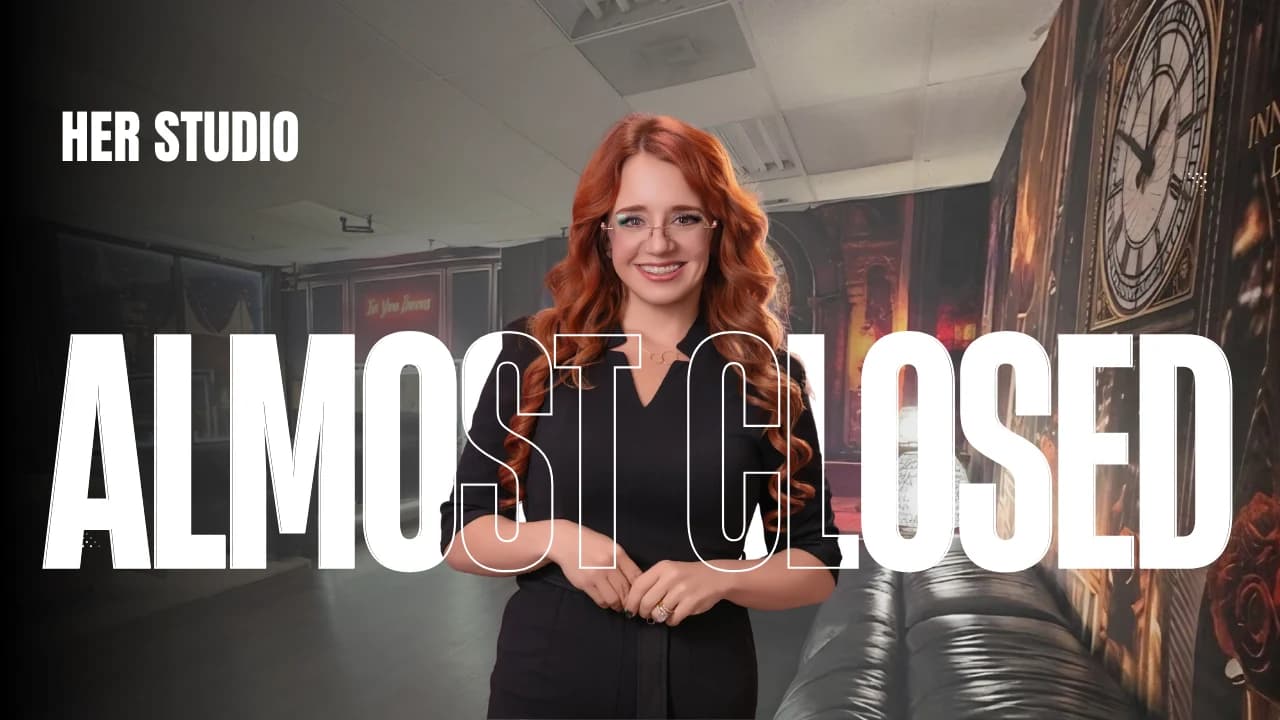
Casey Quist · Concord, CA
Worst year: about $130,000 gross with $76,000 in losses and a studio loan. The photography was never the missing piece.
Read her full story →30
sessions under $1,200 ad spend
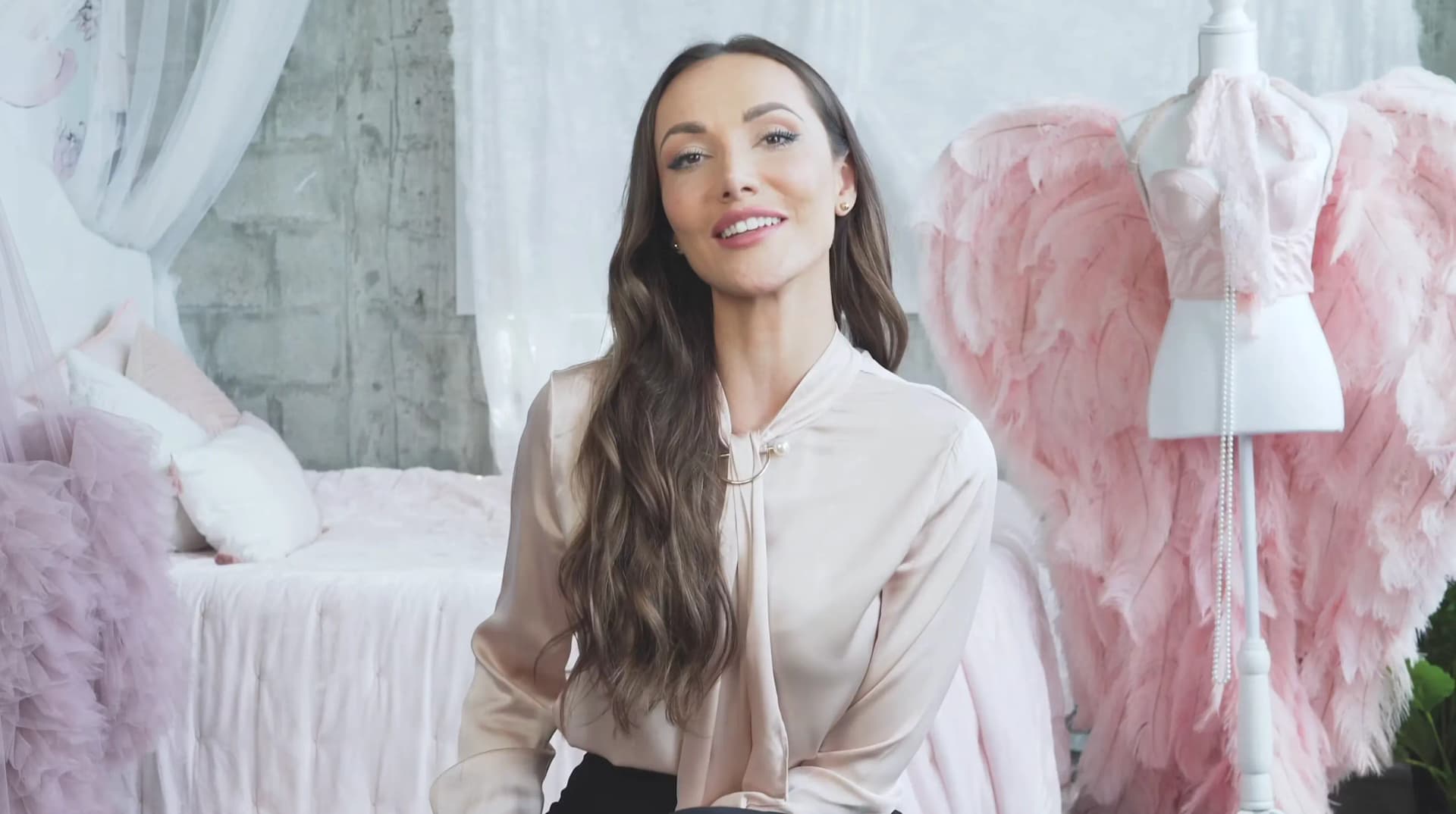
Mermaid Lake Boudoir
Left a decade of weddings for boudoir. A $29,000 launch month, then consistent high months.
$71,400
from $1,600 in ad spend
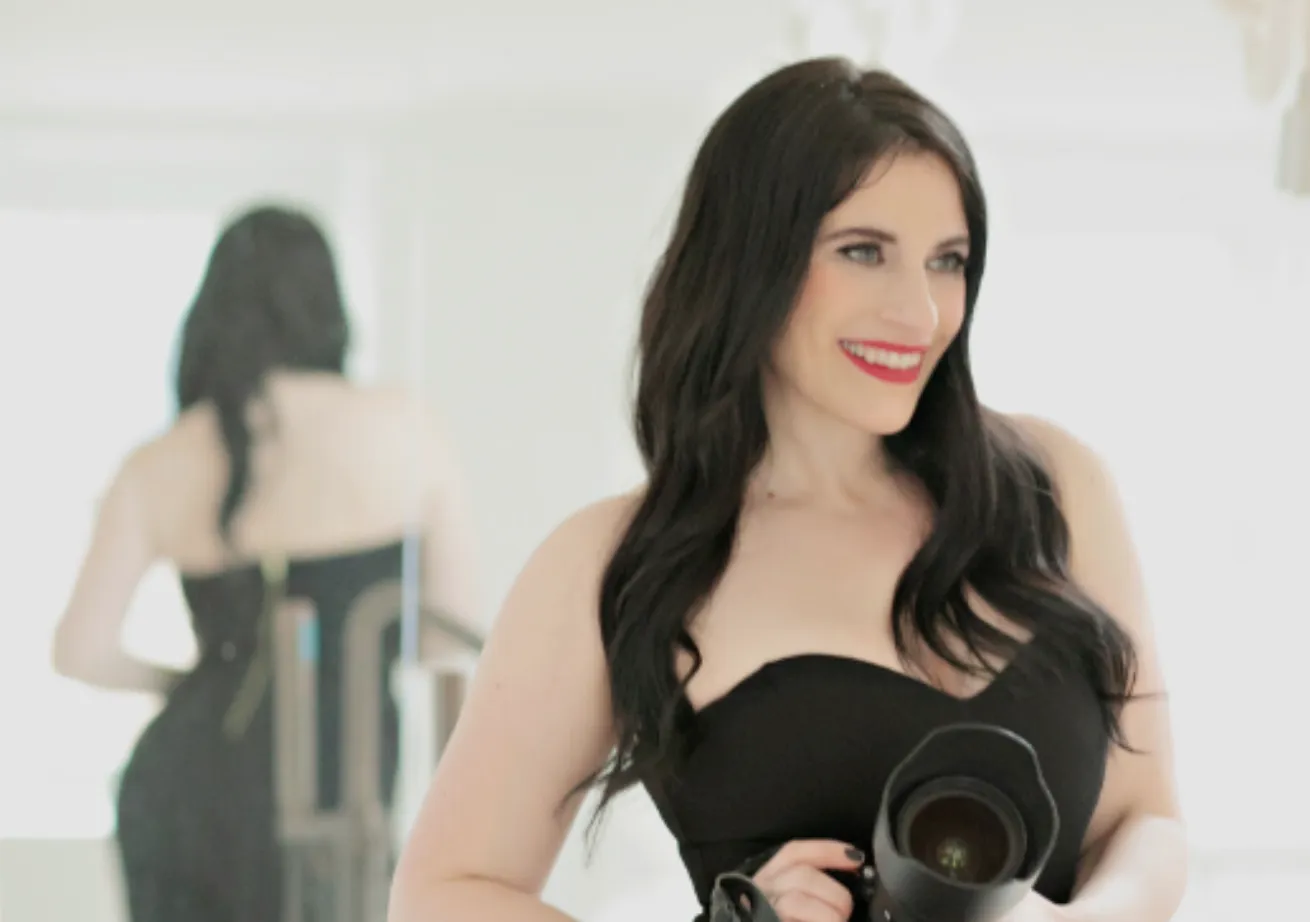
Boudoir studio · Google Ads
17 clients booked at a $4,200 average sale in a single month. Not a secret campaign type. The offer, message, and follow-up were built for a portrait studio.
06 · The filter
I stopped taking on every studio that asked
Most agencies won't put this in writing. Here it is.
The operator who already runs a real business
Strong book, in-person sales, answers the phone, follows up, and will run a script they did not write. Give this studio one campaign and it compounds, because everything else is already working.
The studio that is close and coachable
Maybe the pricing needs work or the follow-up is loose, but they will do the reps. Most of our best results start here.
The studio that wants ads to be the only thing that changes
If ads are the only thing that will change, and the phone, the offer, and the follow-up stay exactly as they are, a campaign just buys expensive proof that the path is broken. I would rather tell you that now.
In practice: a US portrait studio where a booked session is worth real money, selling in person or seriously heading there, and an owner who will do the unglamorous parts.
Why the phone matters more than the ad
- Within 5 minBest odds. They are still on your site.
- Within 1 hourStill warm, still yours to lose.
- Next dayThey have messaged two other studios.
- Three daysYou are following up on a stranger.
07 · The risk
The 120-day guarantee, in plain English
If you follow our system and do not recover your management fees within 120 days, we refund those management fees. The guarantee does not cover ad spend or other costs.
Ad spend goes to Meta or Google, not to us. We can say that because we do not turn campaigns on until the path underneath can convert. If the three numbers are not ready, we fix the path first. That is days one and two of the same install week, not a change order.
Here's the whole downside, walked out loud. The map is free and it's yours. If we take you on, it's because we think this will work. We say no when we don't. And if it still doesn't work, the fees come back and you're out some ad spend. In practice that is about one or two full refunds a year, usually a platform restriction outside anyone's control or a fit that wasn't there. I should only get paid when the work helps. No harm done.
08 · The build
Ad → Client Machine → booked session
Three moves. Same order every time.
- 01
The ad
Earns the right click for one person and one offer. Nothing cute, nothing vague.
- 02
The Client Machine
The ads. The page they land on. Follow-up that happens in minutes instead of tomorrow. And the reveal appointment, where the sale actually happens.
- 03
The next step
Your map first, then a 30-minute call to check it against your real numbers.
Step 02 is where the numbers get moved. If leads are weak, we fix the offer and the traffic path, including the pages search and AI referrals already send people to. If booking rate is weak, we fix how fast the phone gets answered, the script, and the follow-up. If average sale is weak, we fix packaging and the in-person reveal.
Campaign One is simply the first campaign aimed at your weak number. When access is in place, it can go live inside seven calendar days.
Step 03: by the time someone books the call, they already understand the three numbers and which one looks broken. The reading did the teaching. The call confirms fit and the 7-day path.
09 · The questions
Questions studio owners ask before saying yes
What exactly do you do?
We install the Client Machine for portrait studios: the offer, the page, the ads, the follow-up, and the tracking. By the time someone books with you, the path isn’t fighting you.
How fast does the machine go live?
Seven days, and it is scheduled rather than vague. Kickoff call and your uploads before day one, your new inquiry page and quiz ready for review on day two, Google Ads and tracking on day three, Meta ads ready for your review on days four and five, and automations and follow-up live by day seven. Your side starts day one: the five-minute callback on every new inquiry, so nothing waits on the build.
What happens on the 30-minute call?
We look at your three numbers and discuss where to focus next. Then we talk about whether working together makes sense, including scope and investment if there's a fit. Yes, this is a sales conversation. If the math doesn't clear, we say so.
What does it cost?
A monthly management fee sized to scope, plus your ad budget, paid straight to Meta or Google. We size it on the call against your numbers, and it has to clear with room to spare or we say no ourselves. If the lowest price is the deciding factor, we’re probably not your fit.
Do I still need to spend on ads?
Yes. This improves what happens after attention is earned. If spending anything on ads feels impossible right now, we’re not a fit yet.
Won’t ads cheapen my brand?
What cheapens a studio is discount language, not distribution. The ads carry the same restraint as the work: no prices, no countdowns, no minis.
I’ve been burned by an agency.
Good. Stay skeptical. Ask for the three numbers. Ask what goes live in seven days. Keep the map either way.
Can I just read the book and DIY?
Yes. Paid to Make Beautiful Photos is the blueprint. Done-for-you is for studios that want it installed faster, with fewer expensive mistakes.
10 · The next step
Six questions, and the map is yours either way
Skimmed to here? The short version: most studios don't have a traffic problem. The path from click to deposit does the losing, and more spend makes it louder.
Part 1 · The diagnosis
The math, on your numbers.
- A straight answer on whether we're a fit
- Your weak number, named
- What fixing it is worth, on sliders you set
Part 2 · The plan
The campaign, on your studio.
- The offer we would run
- Three ads written to your clients
- Your first seven days, day by day
Skip it and next year looks like this one, while the studios who fixed their numbers quietly take the bookings.
Already know you’re a fit? Book the 30-minute plan call →